The U.S. cannabis industry has entered a “Compliance Crisis”. As of 2026, regulators have shifted their focus from simple licensing to rigorous, multi-agency oversight involving the FDA, OSHA, and environmental protection departments. For production managers, this means that operational success is now defined by the ability to pass a surprise audit as much as it is by extraction efficiency.
1. The Mandatory Shift to cGMP Standards
While “GMP-ready” used to be a marketing buzzword, states like New York and California now mandate third-party GMP audits for all adult-use and medical processors. Furthermore, as the industry looks toward international markets in Europe and Australia, compliance with EU-GMP is the only way to secure high-value export contracts.
The Challenge: Most “craft” equipment lacks the sanitary design, 3Q validation (IQ/OQ/PQ), and data integrity required for 21 CFR Part 11 compliance.
The Western States Strategy:
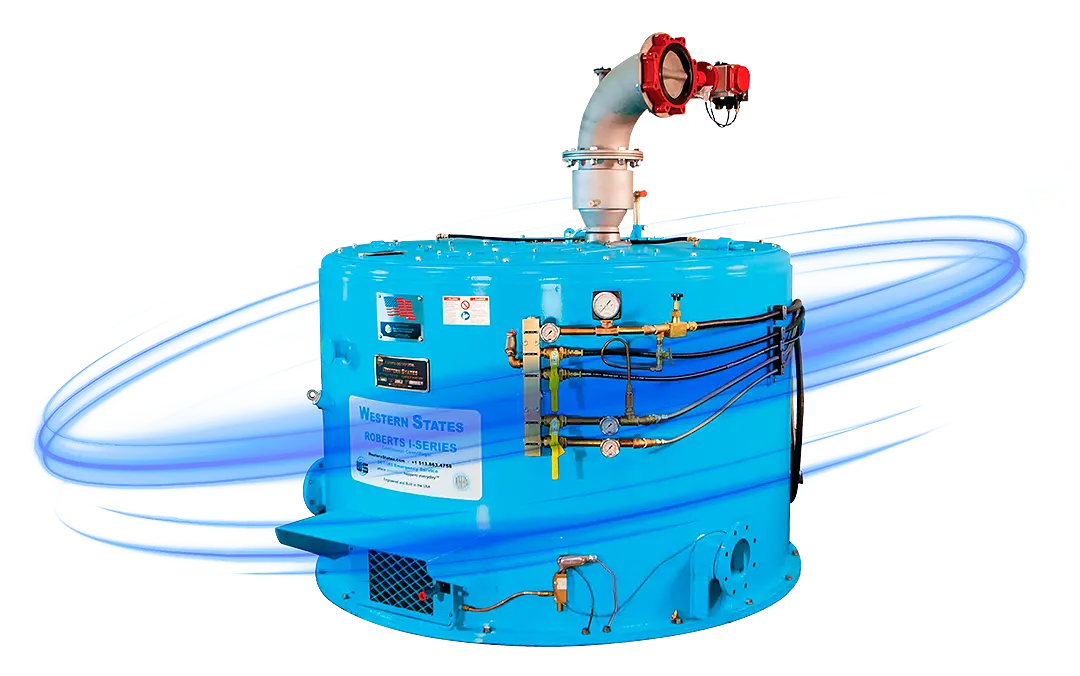
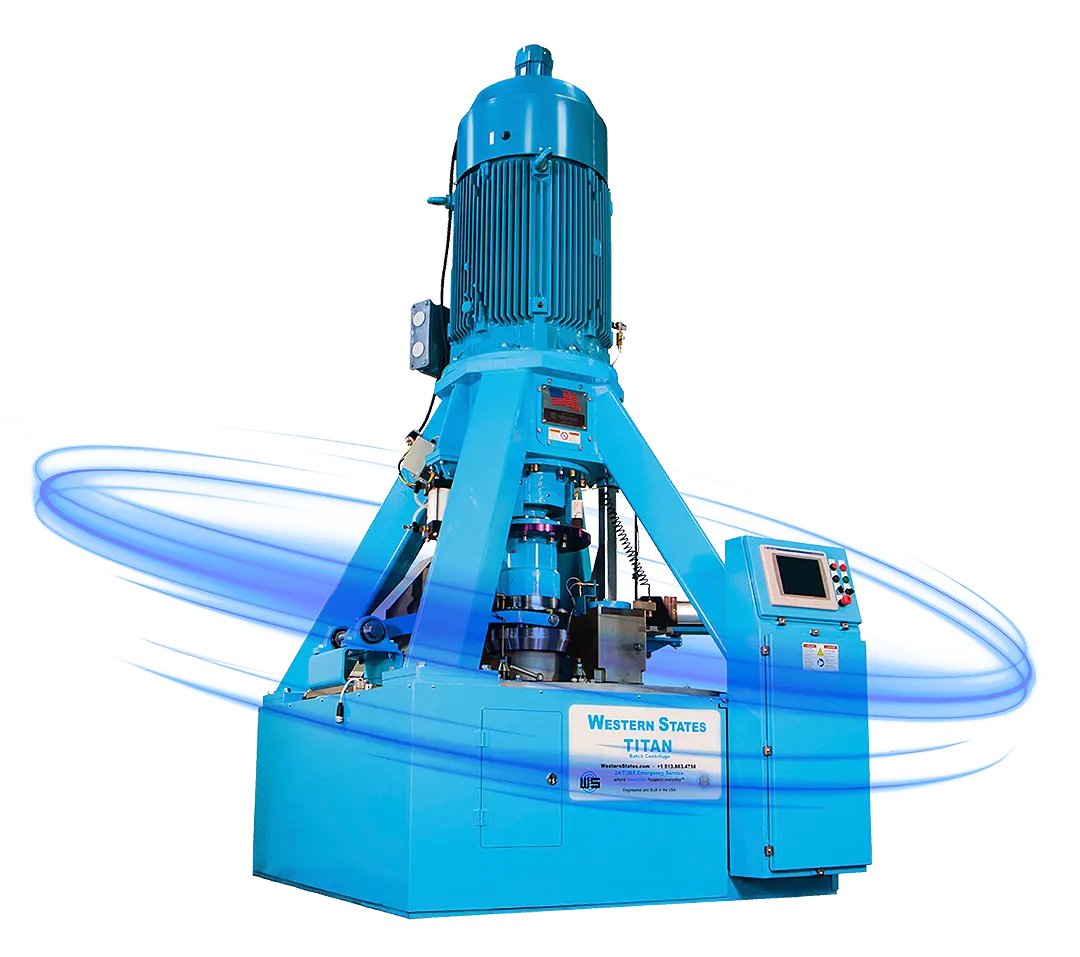
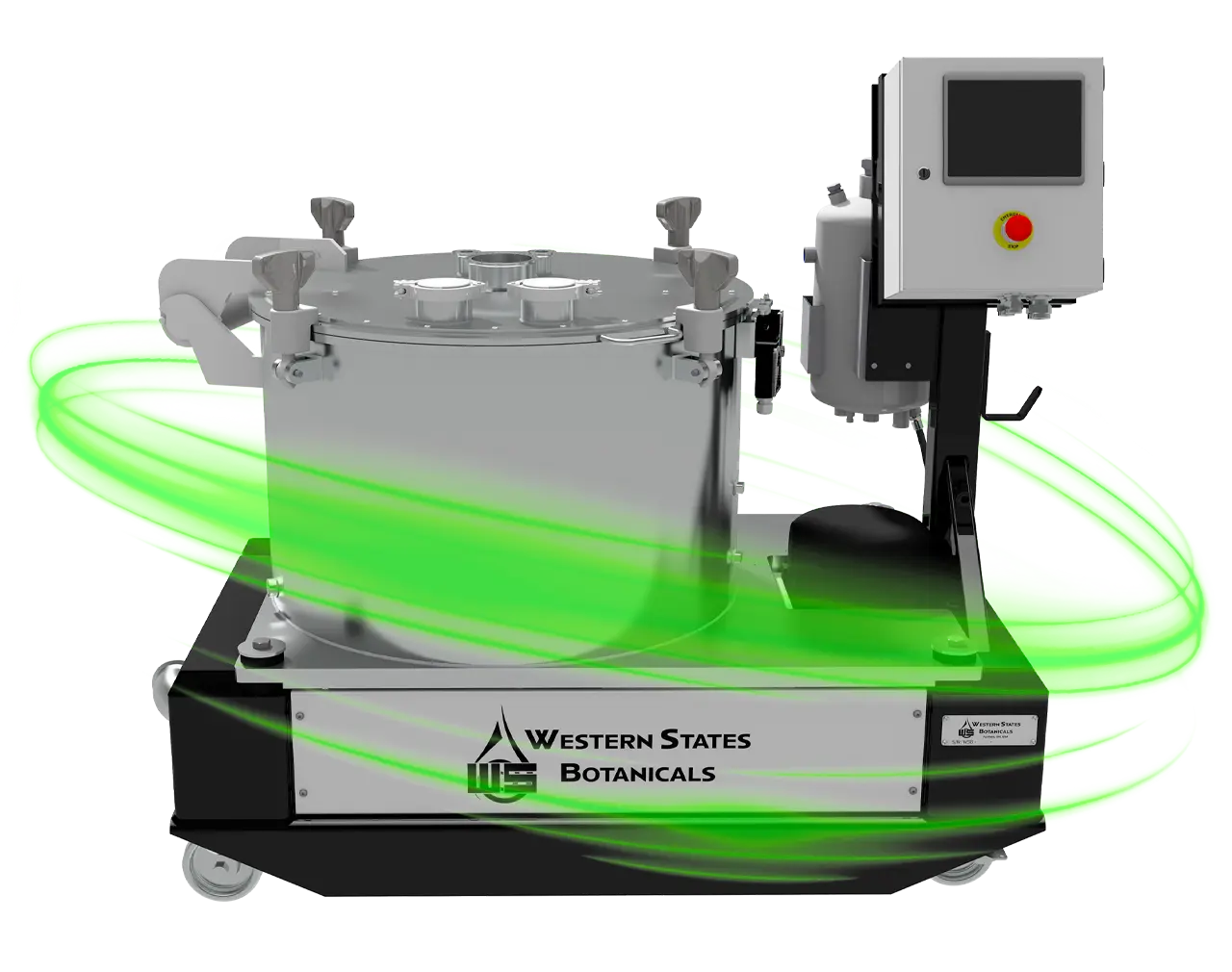
Western States’ WSB series is engineered specifically for cGMP environments.
- Sanitary Design: Featuring 316L stainless steel wetted parts and Ra 32 finishes to eliminate “dead spots” where bacteria or mold can proliferate.
- Validation Support: We provide comprehensive documentation packages, including Mill Test Reports (MTRs) and pre-structured IQ/OQ protocols, to drastically shorten your certification timeline.
2. Stringent Worker Safety and Fire Code (C1D2/NFPA 660)
OSHA and local fire marshals have increased scrutiny on extraction labs, focusing on the 2025 International Fire Code (IFC) and the new NFPA 660 standards for combustible dust and volatile solvents.
The Challenge: Extraction rooms classified as Class I, Division 1 or 2 (C1D1/C1D2) often lack the integrated safety systems required to prevent process-related fires or explosions.
The Western States Strategy:
Safety is baked into our hardware, not added as an afterthought.
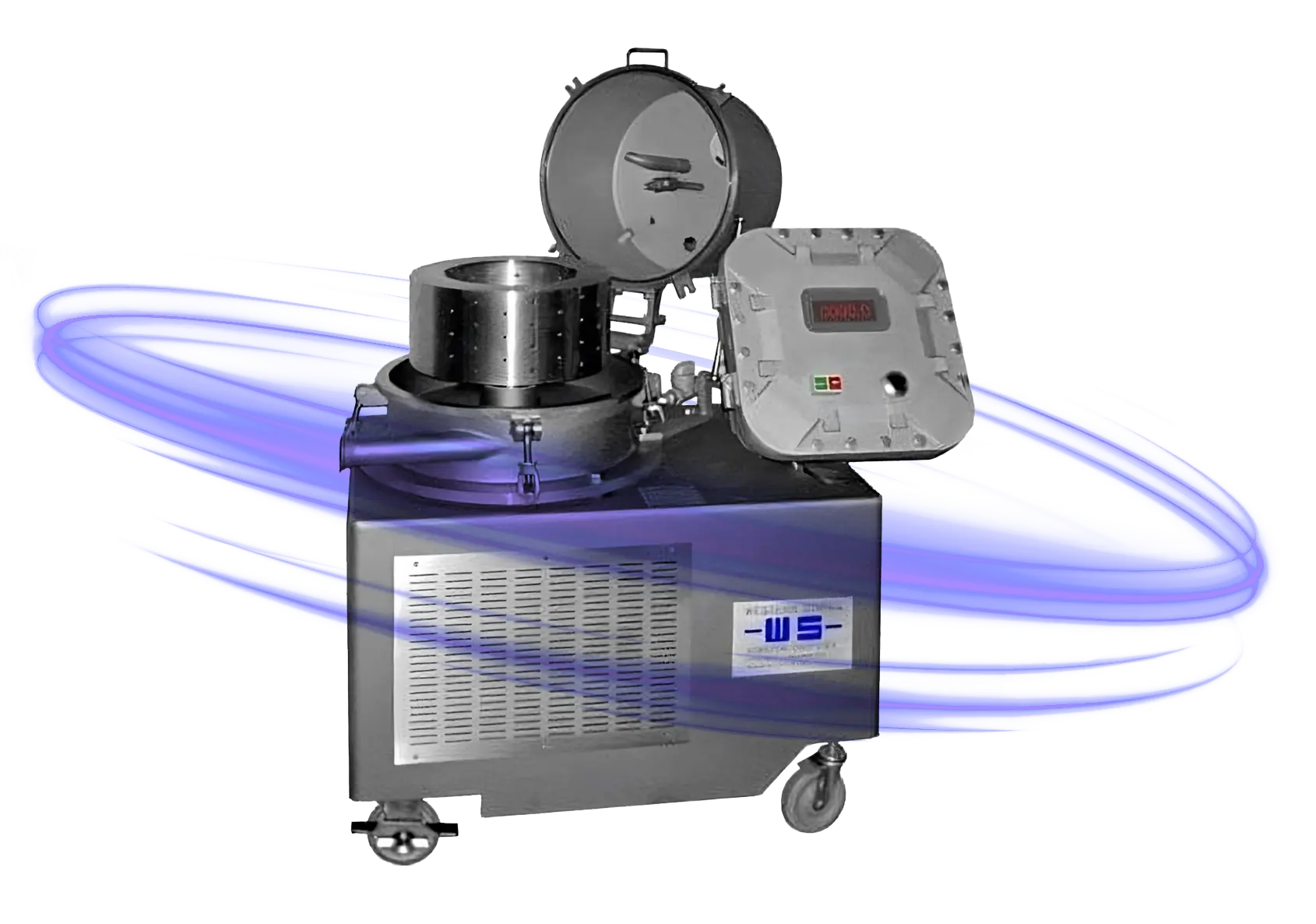
- Integrated Protection: Our centrifuges feature fully integrated C1D2 explosion-proof motors and PLC touchscreen controls.
- Inerting Capabilities: Systems are designed for nitrogen or argon blanketing, using real-time oxygen monitoring to prevent the formation of ignitable atmospheres.

3. Environmental Limits on VOC Emissions and Waste
States such as Colorado and Minnesota are tightening regulations on Volatile Organic Compounds (VOCs) and solvent disposal. The disposal of solvents by evaporation is strictly prohibited, and facilities must now prove high rates of solvent capture.
The Challenge: Inefficient extraction hardware allows ethanol to remain trapped in spent biomass, leading to high VOC emissions during drying and significant financial loss.
The Western States Strategy:
Efficiency is the best form of environmental compliance.
- 97%+ Solvent Recovery: Western States centrifuges utilize high G-forces (up to 900 Gs) to mechanicaly expel ethanol from the “cake,” achieving industry-leading recovery rates.
- Closed-Loop Integrity: Our sanitary tri-clamp connections and sealed vapor-tight designs ensure that VOCs are contained within the system, reducing the load on your facility’s carbon filtration.
4. Heavy Metal and Contaminant Testing Thresholds
Cannabis is a hyper-accumulator, and recent studies show that trace metal contaminants—nickel, chromium, and lead—can leach from low-quality manufacturing equipment. As lab testing standardized across states, “lab shopping” for favorable results is being eliminated in favor of stricter accreditation.
The Challenge: Equipment made from non-certified alloys or low-grade steel can lead to failed Certificates of Analysis (COA), resulting in total batch destruction.
The Western States Strategy:
We eliminate the risk of equipment-sourced contamination.
- Certified Alloys: We use only US-sourced 304L and 316L stainless steel for all process-contact surfaces.
- CIP Validation: Integrated Clean-In-Place (CIP) nozzles provide 100% spray coverage, which can be verified via Riboflavin testing to ensure no cross-batch contamination.
5. The Evolving Legal Divide: Total THC vs. Delta-9
The 2024/2025 Farm Bill updates have shifted the legal definition of hemp from “Delta-9 only” to a “Total THC” basis (Delta-9 THC + ). This change threatens to make many “full-spectrum” products illegal overnight if they exceed 0.3% total THC.
The Challenge: Extractors must now achieve extreme selectivity during the primary extraction phase to ensure they don’t concentrate THCA into “hot” territory.
The Western States Strategy:
Precision temperature control allows for molecular selectivity.
- Cryogenic Extraction: Our botanical centrifuges operate at
and below.
- Selective Separation: At these cryogenic temperatures, the ethanol is highly selective, allowing you to pull target cannabinoids while leaving behind the heavy lipids and undesirable compounds that complicate potency balancing.
Conclusion: Investing in Regulatory Certainty
For the modern Production Manager, the question isn’t just “how much can we produce?” but “can we prove how we produced it?” Western States Machine Company provides the “Legendary Dependability” and technical documentation required to answer that question with confidence.
By investing in equipment that meets the highest echelon of GMP and safety standards, you aren’t just buying a centrifuge—you are buying regulatory certainty for the next decade of your operation.
Frequently Asked Questions (FAQ)
What is the most common reason extraction facilities fail a GMP audit?
Documentation gaps are the primary cause. Auditors require proof of equipment validation (IQ/OQ/PQ) and traceable cleaning logs. Western States simplifies this by providing robust technical packages and integrated CIP systems that ensure repeatable sanitation.
Do Western States centrifuges meet NFPA 660 requirements for 2026?
Yes. Our systems are designed to meet or exceed Class I, Division 2 safety standards, including explosion-proof motors and controls that align with the latest IFC and NFPA 660 safety protocols for volatile solvents.
How does solvent recovery impact my environmental permit?
Higher recovery rates mean lower VOC emissions. By achieving 97%+ solvent recovery, Western States equipment reduces the amount of ethanol evaporated during biomass drying, helping you stay below the VOC emission thresholds set by state agencies like the MPCA or Colorado CDPHE.
Is 316L stainless steel really necessary for cannabis extraction?
Yes, particularly if you are using acidic solvents or harsh cleaning chemicals. 316L contains molybdenum, which prevents pitting and the leaching of heavy metals into your extract—a critical factor for passing state-mandated heavy metal testing.
Can Western States equipment handle both R&D and high-volume production?
Absolutely. Our lineup scales from the WSB-MicroPro (ideal for pilot batches and process validation) to the high-throughput WSB-40 (capable of 40 lbs of dry biomass per cycle), allowing you to scale your validated SOPs seamlessly.