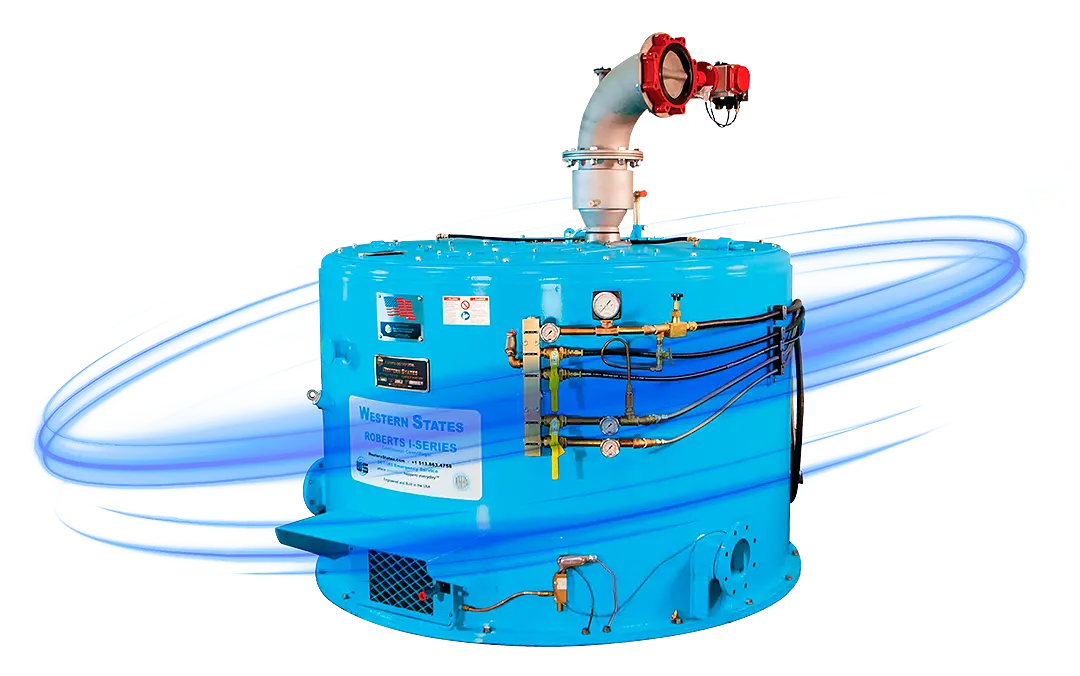
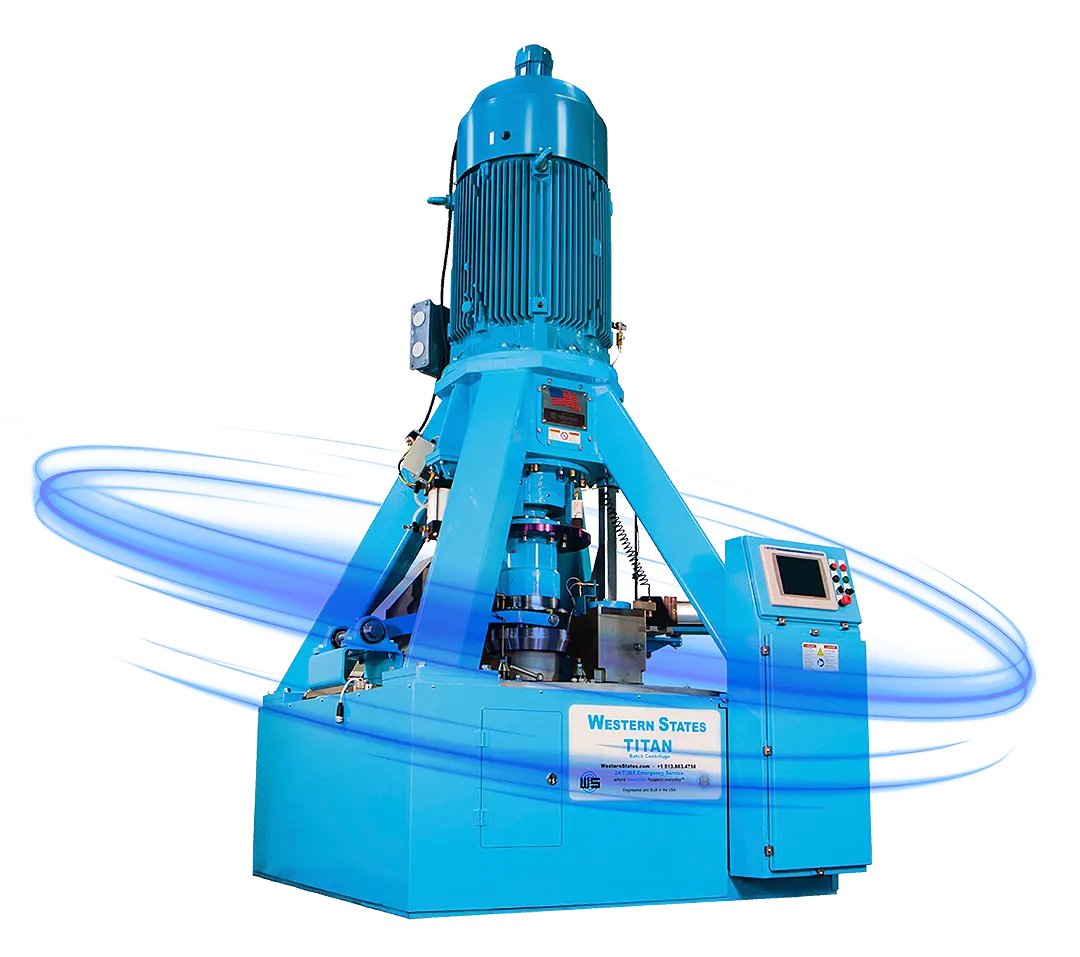
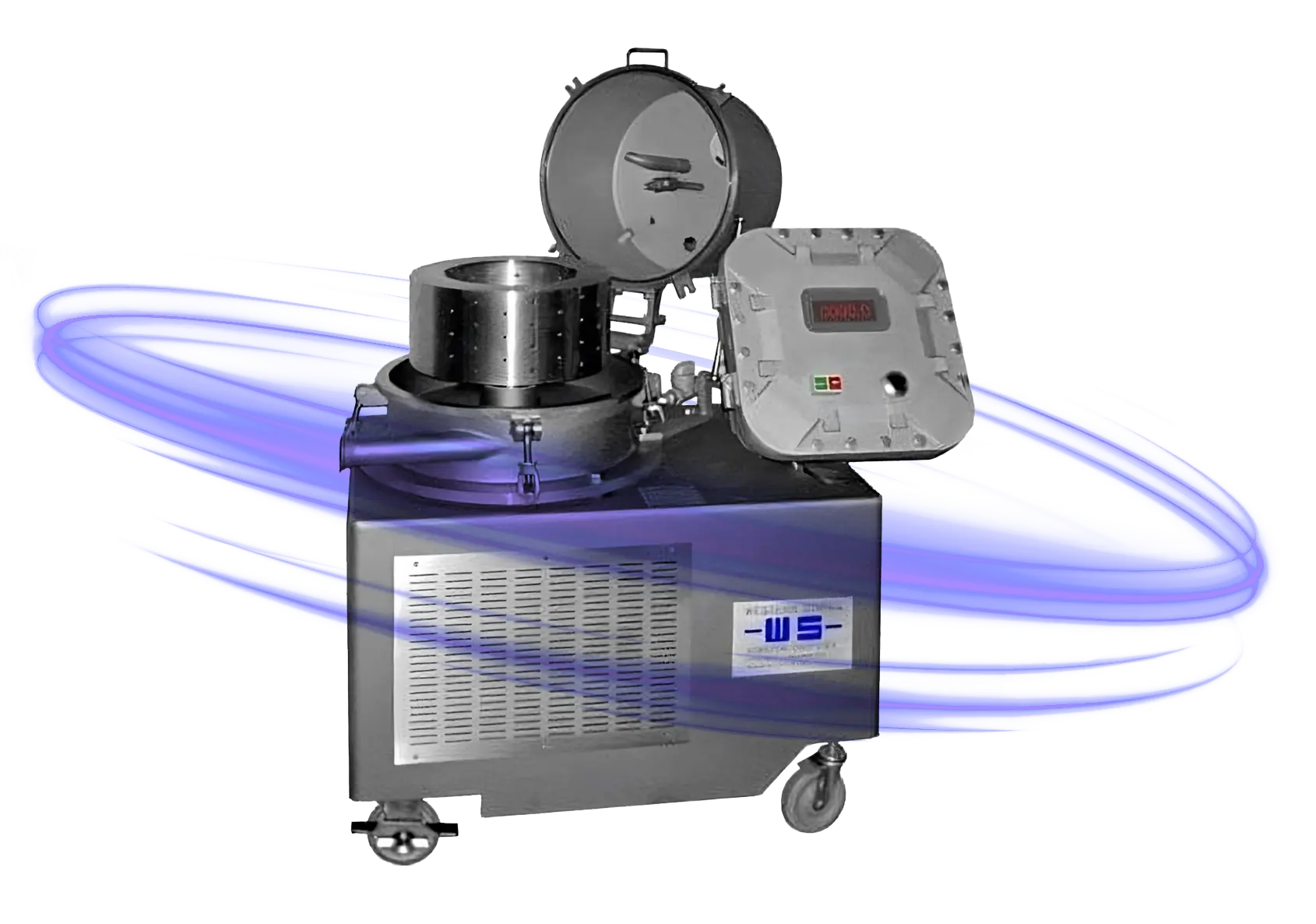
In the dynamic and highly regulated market of botanical extraction, operational success and financial viability hinge on efficiency, purity, and scalability. Modern processors face a complex web of challenges, from production bottlenecks like winterization to inefficient solvent recovery and the escalating demand for Good Manufacturing Practice (GMP) compliance. In this landscape, the selection of centrifugal separation equipment is not a mere purchasing decision but a foundational strategic investment that defines a company’s trajectory.
This report establishes the central thesis that Western States, with its century-plus legacy forged in the world’s most demanding industrial applications, is uniquely positioned to solve the most pressing challenges of modern botanical extraction. Through in-depth analysis, this document will demonstrate how the company’s unparalleled expertise in large-scale solid-liquid separation, its commitment to GMP-compliant engineering design, and a financial model centered on a lower Total Cost of Ownership (TCO) converge in its Botanical Centrifuge (WSB) series. The result is a solution that not only delivers superior performance but also mitigates regulatory, operational, and financial risk, establishing Western States as not just an equipment supplier, but a cornerstone of industrial separation technology and an indispensable strategic partner for leaders in the botanical industry.
Section 1: Forged in Sugar, Perfected for Botanicals: A Century of Centrifugal Mastery
1.1 The Dawn of Industrial Centrifugation and the Rise of Western States
The history of industrial centrifugation is a chronicle of the relentless pursuit of purity and efficiency. While the concept of using centrifugal force for separation dates back centuries, its formal commercial application did not emerge until the 19th century. In 1864, Antonin Prandtl invented the first centrifuge-type machine to separate cream from milk in the large-scale dairy industry, marking the birth of a transformative technology.1 Shortly after, in 1878, Swedish inventor Gustaf de Laval perfected this concept with the first continuous cream separator, revolutionizing the food industry.4
It was in this context of nascent innovation that The Western States Machine Company (Western States) was founded in Salt Lake City, Utah, and officially incorporated on April 11, 1917, under the entrepreneurial spirit of its founder, Eugene Roberts.6 The founding of Western States was not an isolated event; it occurred precisely as centrifuge technology began its transition from niche applications to an indispensable industrial tool. This historical timing placed the company at the forefront of the industrial adoption of centrifugation—a position it has maintained for over a century.
1.2 The Proving Ground: Why the Sugar Industry Forged an Unbreakable Legacy
While early developments focused on the dairy industry, Western States forged its reputation in a far more demanding environment: the global sugar industry. The use of centrifuges to purify sugar was pioneered by David Weston in Hawaii in 1852 7, but it was Western States that industrialized and perfected this process on a global scale. The task of separating sugar crystals from massecuite—a highly viscous and abrasive mixture of crystals and molasses—presented engineering challenges an order of magnitude greater than separating cream.11 This process demanded machines of exceptional robustness, reliability, and throughput to withstand continuous, high-volume operations.
The superiority of Western States’ designs was quickly proven. By 1920, the company had already established international partnerships and was exporting its machines to the world’s major sugar production hubs, including Cuba, Canada, Peru, Mexico, and England.6 This rapid global market dominance was not accidental; it was the direct result of engineering that could endure the harshest conditions and deliver consistent results, day in and day out.
This experience in the sugar industry is more than just a historical footnote; it is a direct analog to the challenges facing modern botanical extraction. Both processes are fundamentally based on separating valuable solids (sugar crystals or cannabinoids) from a viscous mother liquor. The physical difficulties—handling viscous fluids, managing high throughput, ensuring complete separation to maximize yield, and withstanding abrasive solids—are intrinsically similar. Therefore, Western States’ century of experience in sugar is not simply “a long time in business”; it is a century spent solving the same class of physical separation problem that botanical extractors face today. This provides the company with an engineering intuition and a library of proven design principles that newer competitors, who may have entered the market only with the cannabis boom, simply cannot match.
1.3 A History of Innovation and Reliability
The character and philosophy of Western States were defined through key milestones that demonstrated its adaptability and unwavering commitment to quality. During World War II, the company pivoted its production to support the war effort. In 1942, it was awarded contracts with the U.S. War Department to build a centrifugal system used in the manufacturing of war chemicals.6 This project marked the company’s first major diversification beyond sugar, proving its engineering adaptability and cementing its reputation as a premier American manufacturer.
However, the company’s most defining principle was established by its founder, Eugene Roberts: a customer-centric culture that materialized in the “NEVER OBSOLETE” policy.17 This philosophy guarantees that Western States will never stop supporting any of its machines, regardless of age. The tangible proof of this commitment is found in the thousands of Western States machines still in service around the globe, some dating back to the 1950s and 1960s.6 This policy not only underscores the exceptional durability of its equipment but also lays the foundation for long-term value and a superior Total Cost of Ownership—a concept that will be explored in detail later in this report.
Section 2: The Modern Extractor’s Dilemma: Navigating Scalability, Purity, and Profitability
The botanical extraction industry, fueled by soaring demand for high-quality cannabis and hemp-derived products, faces a series of operational challenges that can stifle growth and profitability. From the R&D lab to industrial-scale production, processors must navigate a complex landscape of process bottlenecks, resource inefficiencies, and an increasingly stringent regulatory environment.
2.1 The Quest for Purity and Potency
The primary goal of botanical extraction is to isolate target compounds, like cannabinoids and terpenes, while removing undesirable substances such as chlorophyll, waxes, and lipids.18 Consumers and medicinal markets demand clean, high-potency products with consistent profiles. Achieving this quality requires meticulous purification processes that, if not managed effectively, can be slow, laborious, and costly. The presence of impurities not only affects the taste and appearance of the final product but can also compromise its safety and efficacy, posing a significant risk to brand reputation.
2.2 The Winterization Bottleneck: A Critical and Time-Consuming Hurdle
One of the single greatest bottlenecks in producing high-purity extracts is winterization. This process is essential for removing plant fats and waxes that are co-extracted along with cannabinoids, particularly in CO2 and room-temperature ethanol extraction methods.24 The standard procedure involves dissolving the crude extract in ethanol and freezing the mixture to sub-zero temperatures (typically between -20°C and -80°C) for an extended period, often 24 to 48 hours.25 During this time, the lipids and waxes solidify and precipitate, allowing for their subsequent removal by filtration.
While effective, this step represents a massive operational roadblock. The long residence time in freezers drastically limits daily throughput, creating a pile-up in the workflow and slowing down the entire production line.27 For operations looking to scale, traditional winterization quickly becomes an unsustainable limiting factor.
2.3 The Solvent Recovery Drain: Maximizing ROI in a Sea of Ethanol
Ethanol is a solvent of choice for many large-scale processors due to its efficiency and GRAS (Generally Recognized as Safe) status.29 However, the cost of food-grade ethanol and the management of its lifecycle are critical economic and environmental considerations. Inefficient solvent recovery after extraction and purification leads to direct and significant financial losses. Industry analyses suggest that 10% to 20% of the raffinate (spent biomass) mass can be bound solvent that is discarded with the plant material.30 For a facility processing 1,000 kg of biomass per day, this could equate to the loss of over 100-200 kg of ethanol daily.
In addition to the cost of solvent replenishment, the disposal of solvent-laden waste raises regulatory and environmental compliance issues.30 A separation system that maximizes initial solvent recovery from the biomass is therefore crucial to the profitability and sustainability of the operation.
2.4 The Scalability Wall: From Lab Bench to Industrial Production
Transitioning from a lab-scale operation to full-scale industrial production presents exponential challenges. Issues that are manageable in small batches—such as maintaining product consistency, managing solvent volumes, and handling waste—become vastly more complex as volume increases.35 Equipment that works well for a few kilograms a day can prove completely inadequate for processing hundreds or thousands of kilograms. Scalability demands equipment designed not just for efficacy, but for high throughput, continuous operation, and seamless integration into an industrial workflow.39
2.5 The Compliance Imperative: Meeting GMP Standards in a Maturing Industry
As the cannabis and botanicals industry matures, regulatory pressure to adopt Good Manufacturing Practices (GMP) is intensifying. Agencies around the world are beginning to apply pharmaceutical-grade expectations to medicinal cannabis production, requiring stringent control over contamination, batch consistency, and process validation.43 GMP compliance is non-negotiable for companies aspiring to enter medical or export markets. This places strict requirements on equipment design, which must be easily cleanable and validatable, constructed from non-reactive materials, and allow for precise process control to ensure repeatable results.48
Taken together, these challenges reveal that the problems of botanical extraction are not isolated issues. Winterization, solvent recovery, and scalability are interconnected symptoms of a larger problem: a reliance on multi-step, batch-based processes using equipment not purpose-built for the task. Such a disjointed workflow, with multiple material transfers between extraction, freezing, filtration, and evaporation, drives up labor costs, processing time, and the risk of contamination at every step. A truly innovative solution must address these challenges holistically, fundamentally re-engineering the workflow for seamless efficiency.
Section 3: The WSB Series: A Purpose-Built Solution for High-Throughput Botanical Extraction
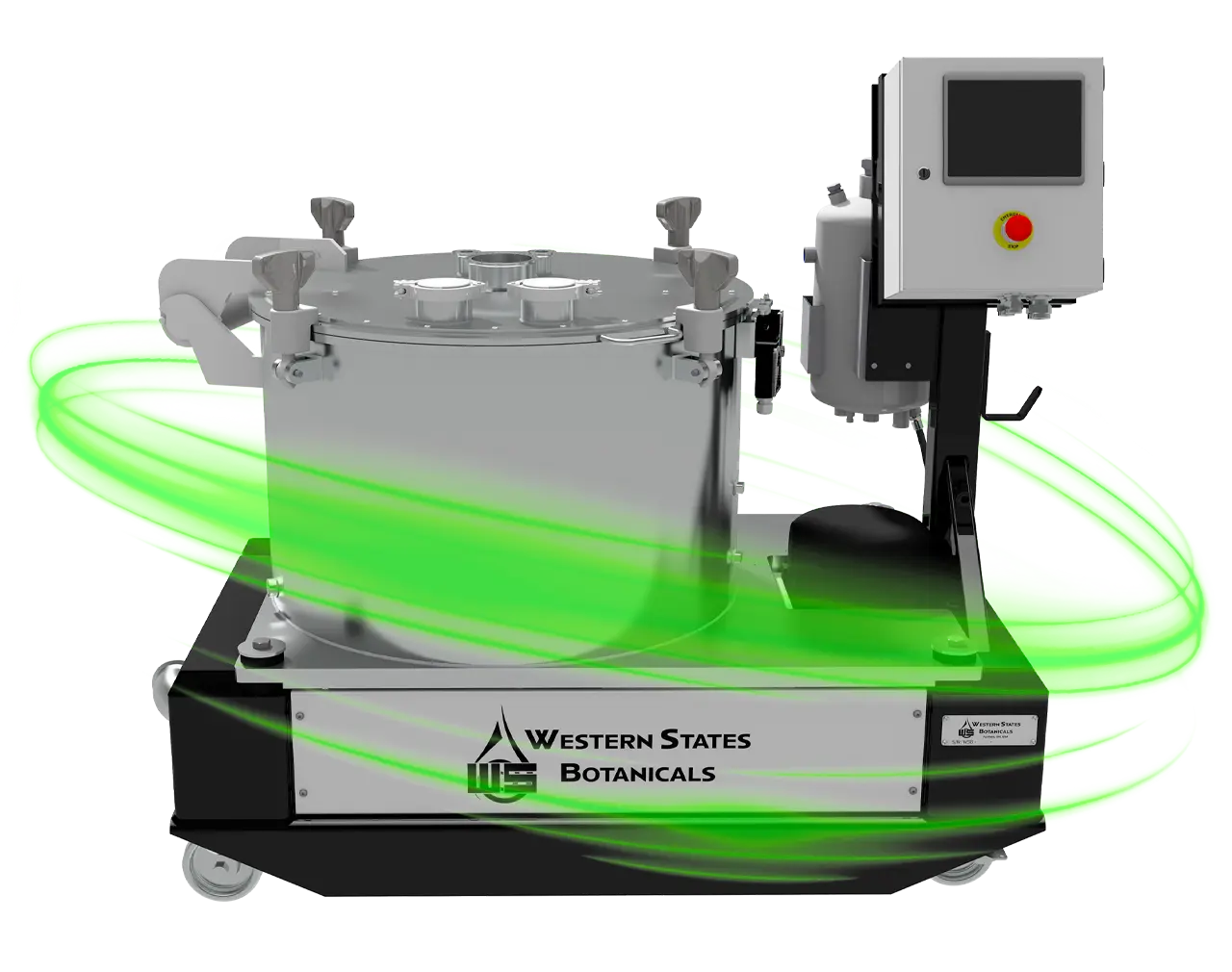
In direct response to the complex challenges facing the modern extraction industry, Western States has leveraged its century of engineering expertise to develop the Botanical Centrifuge (WSB) series. This product line is not an adaptation of generic equipment but a ground-up system specifically engineered for the rigorous demands of botanical extraction with solvents like ethanol, cementing the role of Western States in pioneering innovation in botanical centrifugation.6
3.1 Engineering a Holistic Solution
The WSB series is conceived to holistically address the bottlenecks and inefficiencies of the traditional extraction workflow. By integrating multiple process steps into a single, rapid, and efficient cycle, these centrifuges go beyond simple separation to become the core of an optimized operation. Their purpose-built design for biomass extraction with ethanol and other solvents ensures material compatibility, operational safety, and maximum performance under industry-specific conditions.6
3.2 Scalability by Design: From R&D to Full-Scale Production
Western States recognizes that extraction operations evolve, and it has engineered the WSB series to provide a clear and coherent scalability pathway. This allows companies to develop and refine their processes at a small scale with the confidence that the core technology and performance characteristics will remain consistent as their operations grow.
- WSB-MicroPro: Designed for developing operations, lab use, research, and testing. This small-scale centrifuge is ideal for process optimization with minimal biomass usage, allowing innovators to cost-effectively experiment and validate new formulations.6
- WSB-15: Suited for low to mid-scale production volumes, the WSB-15 can process up to 15 pounds (approx. 6.8 kg) of biomass per cycle. It is the perfect solution for companies transitioning from the R&D phase to commercial production.6
- WSB-40: For mid to large-scale operations, the WSB-40 handles up to 40 pounds (approx. 18.1 kg) of biomass per cycle. This high-capacity machine is built to meet the demands of industrial producers requiring maximum throughput and reliability.6
3.3 Unmatched Performance Metrics
The WSB series delivers state-of-the-art performance, with key metrics that translate directly into tangible operational and financial benefits:
- High Extraction Efficiency: With up to 98% removal of desired molecules, the WSB series ensures maximum product yield from the biomass, maximizing the profitability of every batch.6
- Rapid Cycle Times: Typical extraction cycles of 10 to 20 minutes directly address the throughput limitations of traditional methods like 48-hour winterization, enabling significantly faster batch processing and higher daily output.6
- Cryogenic Operation: With a minimum operating temperature of -40°F (-40°C), the WSB-15 and WSB-40 centrifuges allow operators to perform ultra-cold ethanol extraction. This capability is revolutionary, as it combines primary extraction and winterization into a single, efficient step. The cold ethanol selectively extracts cannabinoids and terpenes while leaving behind the majority of unwanted waxes and lipids, thereby eliminating the traditional winterization bottleneck.6
The following table provides a direct comparison of the key specifications across the WSB series, providing a clear, data-driven view for decision-making.
Table 1: Western States WSB Series Comparative Specifications
| Feature | WSB-MicroPro | WSB-15 | WSB-40 |
| Key Application | R&D, Lab, Small-Scale Production | Low to Mid-Volume Production | Mid to Large-Volume Production |
| Max Biomass Load | Not specified (4 Liter solids capacity) | 15 lb (6.8 kg) | 40 lb (18.1 kg) |
| Volumetric Capacity | 4 Liters | 50 Liters | 133 Liters |
| Max Speed (RPM) | 2880 RPM | 1800 RPM | 1561 RPM |
| Max G-Force | 900 Gs | 828 Gs | 900 Gs |
| Min Operating Temp | Not specified | -40°F (-40°C) | -40°F (-40°C) |
| PLC/HMI System | Not specified | Allen-Bradley CompactLogix / 7” Panelview Plus 7 | Allen-Bradley CompactLogix / 7” Panelview Plus 7 |
| Safety Rating | All Parts Class 1 Div 2 | HMI in NEMA 4X CL.1 DIV.2 Enclosure | HMI in NEMA 4X CL.1 DIV.2 Enclosure |
Source: Data compiled from Western States product specifications.6
Section 4: The Anatomy of Innovation: A Technical Deep Dive into GMP-Compliant Design
Good Manufacturing Practice (GMP) compliance is increasingly a non-negotiable requirement in the botanical industry, especially for producers supplying medical and pharmaceutical markets. The technical specifications of the Western States WSB series are not a mere collection of high-end components; they represent a deliberate engineering strategy to create a “GMP Compliance Triangle” of materials, surfaces, and controls. Each element is designed to anticipate and meet rigorous regulatory and quality assurance demands, providing clients with an integrated compliance pathway.
4.1 Built for Purity: The Critical Role of 304L/316L Stainless Steel and 32 Ra Surface Finishes
Material selection is the foundation of hygienic design. GMP regulations, such as the FDA’s 21 CFR § 211.65(a), mandate that product-contact surfaces must be non-reactive, non-additive, and non-absorptive so as not to alter the product’s safety or purity.49
- Superior Grade Stainless Steel: The WSB-15 and WSB-40 centrifuges are constructed with 304L stainless steel.6 This material, along with the industry-standard 316L, is chosen for its exceptional corrosion resistance against extraction solvents (like ethanol) and the aggressive cleaning agents used in Clean-in-Place (CIP) cycles.50 Its non-reactive nature ensures no metal leaching into the extract, preserving final product purity.52
- 32 Ra Surface Finish: All internal surfaces of the WSB-15 and WSB-40 centrifuges are finished to 32 Ra or better.6 The “Ra” (Roughness Average) is a measure of a surface’s microscopic texture. A low Ra value, such as 32 micro-inches, indicates a very smooth surface. This is critically important for GMP compliance, as smooth surfaces minimize sites where microbes can attach and form biofilms, making them significantly easier to clean and sanitize.56 A superior surface finish simplifies the validation of cleaning procedures—a core GMP requirement.39 Furthermore, Western States offers the option of electropolishing, a process that can reduce the Ra even further to achieve a mirror-like finish, meeting the most stringent requirements of biopharmaceutical applications.6
4.2 Precision Under Pressure: The Power of Allen-Bradley CompactLogix PLCs
Consistent process control and data integrity are pillars of GMP compliance. The FDA’s 21 CFR § 211.68 requires that automatic, mechanical, and electronic equipment be routinely calibrated, inspected, and checked to ensure proper performance.49
- Industrial-Grade Control System: The WSB centrifuges are equipped with a top-tier control system featuring an Allen-Bradley CompactLogix Programmable Logic Controller (PLC) and Panelview Human-Machine Interface (HMI).6 Allen-Bradley (a Rockwell Automation brand) is synonymous with reliability and performance in industrial automation.62 The CompactLogix series offers a scalable architecture, fast scan times, and seamless integration with Studio 5000 programming software, enabling robust and repeatable process control.64
- 21 CFR Part 11 Ready: For producers of pharmaceuticals or Active Pharmaceutical Ingredients (APIs), compliance with the FDA’s 21 CFR Part 11 for electronic records and signatures is mandatory. This regulation demands technical and procedural controls to ensure the authenticity, integrity, and confidentiality of electronic data. An advanced control system like the CompactLogix is a prerequisite for building a Part 11-compliant system. It provides the necessary hardware and software platform to implement crucial features like secure audit trails (which log every operator action and parameter change), tiered user access controls, and data security.67 By choosing a PLC of this caliber, Western States not only provides superior process control but also equips its clients with a foundation for data regulatory compliance.
4.3 Designed for Cleanability and Safety
The design of the WSB series embodies hygienic and safety design principles that are central to GMP operations.
- Sanitary Fittings: The use of sanitary fittings on inlet and outlet connections, such as the 1-1/2” sanitary fittings on the WSB-15, is a deliberate design choice.6 Unlike standard pipe threads, sanitary fittings are designed to be smooth and crevice-free, eliminating dead legs where product can stagnate and microbes can proliferate. This is critical for ensuring complete cleanability and preventing cross-contamination between batches.69
- Safety Ratings: The HMI is mounted in a NEMA 4X enclosure rated for CL.1 DIV.2.6 This rating indicates the enclosure is suitable for use in hazardous locations where flammable gases or vapors (like ethanol fumes) may be present under abnormal operating conditions. This attention to safety not only protects personnel and facilities but also demonstrates a commitment to meeting OSHA and fire code standards—an area of increasing scrutiny in the cannabis industry.18
Together, these engineering choices demonstrate that Western States has designed the WSB series not just to perform, but to comply. By proactively engineering GMP principles into the core of the machine, the company significantly reduces the validation and qualification burden for its customers, transforming an equipment purchase into the acquisition of a compliance solution.
Section 5: Beyond the Sticker Price: The Strategic Advantage of a Lower Total Cost of Ownership (TCO)
In capital equipment acquisition, focusing solely on the initial purchase price is a strategic blunder. A more sophisticated and financially prudent approach is to evaluate the Total Cost of Ownership (TCO), a framework that analyzes the full financial impact of an asset over its entire lifecycle. For botanical processors, where reliability and operational efficiency are paramount, understanding TCO is not just a budgeting exercise—it is a decisive competitive advantage.
5.1 A Paradigm Shift in Procurement: Introducing Total Cost of Ownership (TCO)
TCO is an estimation of all direct and indirect expenses associated with purchasing, operating, maintaining, and disposing of a piece of equipment. Industry studies suggest the initial purchase price often represents only 20-30% of a machine’s total cost over a decade of use.70 The remaining 70-80% is composed of “hidden” costs that determine the true return on investment. The general TCO formula can be expressed as:
$TCO = I + O + M + D – R$
Where:
- I = Initial Cost (purchase price, shipping, installation)
- O = Operating Costs (energy, consumables, labor)
- M = Maintenance Costs (parts, service, preventative maintenance)
- D = Downtime Cost (lost production, lost revenue)
- R = Residual Value (resale or trade-in value at end-of-life) 71
This framework shifts the conversation from “how much does it cost to buy?” to “how much does it cost to own?”, enabling smarter procurement decisions based on long-term value.
5.2 Deconstructing the “Hidden Costs” of Inferior Equipment
When applying the TCO framework to botanical extraction, several hidden cost factors become critically important, and it is in these areas that the value of superiorly engineered equipment becomes clear.
- The Crippling Cost of Downtime (D): Unplanned downtime is the single greatest profitability killer in any manufacturing operation. Industry estimates place the cost of manufacturing downtime at an average of $260,000 per hour.73 The average manufacturer faces 800 hours of equipment downtime annually, translating to millions of dollars in potential losses.74 Cheaper, less reliable equipment may seem like a short-term win, but a single catastrophic failure can negate any initial savings many times over.
- The Burden of Maintenance and Repairs (M): Maintenance costs can account for a staggering portion of operating expenses, ranging from 15% to 70% of the cost of goods produced in some industries.75 Equipment built with inferior materials or poor design will require more frequent repairs, parts replacement, and more intensive preventative maintenance. These costs accumulate significantly over the equipment’s lifetime.
- Energy Consumption (O): Energy-intensive equipment can erode profit margins.70 An efficient, well-designed centrifuge optimized for rapid cycles and equipped with modern motor drives will consume less energy per kilogram of processed biomass compared to a less efficient machine, resulting in substantial utility savings over time.
5.3 The Western States TCO Advantage: Unmatched Durability, Support, and Residual Value
Western States’ approach to engineering and customer service is intrinsically aligned with delivering a superior TCO. The brand does not compete on initial price; it competes on lifetime value.
- Legendary Durability: The company’s century-plus legacy of building machines for the toughest industries translates directly into lower Maintenance (M) and Downtime (D) costs. American-made build quality, robust materials, and superior craftsmanship ensure maximum operational life and minimal downtime.6
- Expert Support & Aftermarket Services: The availability of genuine OEM parts and field service ensures that when maintenance is needed, it is done quickly and correctly, further minimizing downtime.6 This stands in stark contrast to lower-cost equipment where sourcing replacement parts or qualified technical service can be a lengthy and frustrating process.
- The “NEVER OBSOLETE” Guarantee: This is the ultimate Western States TCO differentiator. The company’s policy of never obsoleting any piece of equipment 17 fundamentally alters the TCO calculation by maximizing Residual Value (R). While a competitor’s equipment may have a near-zero residual value after a decade, a Western States centrifuge remains a valuable, serviceable asset. It can be rebuilt, upgraded, and continue producing for 50 or 60 years.17 This transforms the purchase from a depreciating expense into a long-term capital asset—a unique value proposition in the industry.
The table below illustrates the power of TCO analysis with a hypothetical but realistic 10-year comparison between a WSB-40 centrifuge and a generic, lower-priced competitor.
Table 2: The TCO Advantage – A 10-Year Hypothetical Cost Analysis
| Cost Component | “Brand X” Competitor | Western States WSB-40 | Comparison Notes |
| Initial Cost (I) | $150,000 | $250,000 | Brand X has a lower purchase price. |
| Annual Maintenance (M) | $15,000 | $5,000 | WS superior build reduces PM and parts costs. |
| Annual Downtime Cost (D) | $50,000 | $2,500 | Based on 2 hrs unplanned downtime/yr for Brand X vs. 0.1 hrs for WS, at a conservative $25,000/hr cost. |
| Annual Operating Costs (O) | $20,000 | $18,000 | WS motor efficiency and optimized cycles lead to lower energy use. |
| 10-Year Gross Cost | $1,000,000 | $505,000 | Calculation: I + 10 * (M + D + O) |
| 10-Year Residual Value (R) | $10,000 | $100,000 | WS “NEVER OBSOLETE” policy and rebuildability ensure high residual value. |
| TOTAL COST OF OWNERSHIP (TCO) | $990,000 | $405,000 | TCO = 10-Year Cost – R |
Note: This table is an illustrative model based on industry averages to demonstrate TCO principles. Actual costs may vary. The analysis clearly shows that despite a higher initial cost, the Western States centrifuge delivers over 59% savings in Total Cost of Ownership over a decade due to its superior reliability, lower maintenance costs, and significantly higher residual value.

Section 6: Defining the Future of Extraction: Why Western States is the Partner of Choice for Industry Leaders
In the competitive and demanding field of botanical extraction, the choice of capital equipment is one of the most critical decisions a company will make. It is not merely about acquiring a piece of machinery; it is about laying the foundation for future growth, profitability, and regulatory compliance. Through an analysis of its history, engineering design, and economic philosophy, it is clear that Western States offers a value proposition that transcends product specifications to become a comprehensive strategic advantage.
6.1 Synthesizing a Century of Excellence
The Western States proposition is a convergence of four foundational pillars:
- A Legacy of Proven Reliability: With over 100 years of experience building centrifuges for the harshest industrial conditions, Western States brings a level of engineering robustness and reliability that newer manufacturers cannot match. This history is not just marketing; it is the guarantee of maximum uptime and an equipment lifespan measured in decades, not years.6
- Purpose-Built Engineering: The WSB series is not a repurposed generic centrifuge but a solution designed from the ground up to solve the specific bottlenecks of botanical extraction. Its ability to operate at cryogenic temperatures and run rapid cycles directly addresses the inefficiencies of traditional winterization and solvent recovery, streamlining the entire production workflow.6
- A Commitment to GMP Compliance: By integrating premium materials like 304L stainless steel, 32 Ra surface finishes, and top-tier Allen-Bradley PLC control systems, Western States has engineered the WSB series to be “GMP-ready.” This significantly reduces the burden, time, and cost of equipment validation for clients, mitigating regulatory risk from day one.6
- A Demonstrably Lower Total Cost of Ownership (TCO): By shifting the focus from short-term sticker price to lifetime value, the financial case for Western States becomes irrefutable. Drastically reduced downtime and maintenance costs, coupled with an unmatched residual value backed by the “NEVER OBSOLETE” policy, turn a higher initial investment into massive long-term financial savings.
6.2 More Than a Machine: A Partnership for Growth
Ultimately, the most profound value Western States offers is risk mitigation. In a market characterized by regulatory volatility, intense competition, and high capital costs, an extraction operation faces multiple threats: regulatory risk, operational risk, financial risk, and product quality risk. The Western States solution systematically addresses each of these threats. The GMP-ready design mitigates regulation risk. The legendary reliability mitigates operations risk. The low TCO mitigates finance risk. And the precision engineering mitigates product quality risk.
Therefore, choosing Western States is not just an equipment purchase; it is a strategic decision to build a business on a foundation of stability, compliance, and long-term financial health. This approach elevates the brand from a vendor to an essential strategic partner for any serious player in the botanical extraction industry, committed to customer success through expert support, aftermarket services, and a philosophy of building equipment that lasts for generations.6
6.3 Call to Action
Pioneering innovation in botanical centrifugation requires a foundation of strength and reliability. Western States invites you to leverage a century of engineering expertise to build the future of your extraction operation. To discuss your specific application, schedule a consultation with our experts, or request a detailed Total Cost of Ownership analysis for your operation, contact our team today. Discover how a legacy of strength can secure a future of purity and profitability for your business.
Obras citadas
- A Short History of Centrifugation – Eppendorf Southeast Asia, fecha de acceso: octubre 30, 2025, https://www.eppendorf.com/id-en/lab-academy/life-science/cell-biology/a-short-history-of-centrifugation/
- www.marshallscientific.com, fecha de acceso: octubre 30, 2025, https://www.marshallscientific.com/the_history_of_the_centrifuge_a/349.htm#:~:text=In%201864%2C%20Antonin%20Prandtl%20invented,apply%20centrifugation%20in%20the%20lab.
- Centrifuge – Wikipedia, fecha de acceso: octubre 30, 2025, https://en.wikipedia.org/wiki/Centrifuge
- The Development History of Centrifuges – Haier Biomedical, fecha de acceso: octubre 30, 2025, https://pt.haiermedical.com/news/blog/The-Development-History-of-Centrifuges.html
- History of Centrifuges – Biofargo, fecha de acceso: octubre 30, 2025, https://biofargo.com/blogs/news/history-of-centrifuge
- Western States | Centrifuge Manufacturers in the USA for Chemical …, fecha de acceso: octubre 30, 2025, https://www.westernstates.com/
- The centrifuges: between science and industry – Kalstein EU, fecha de acceso: octubre 30, 2025, https://kalstein.eu/the-centrifuges-between-science-and-industry/?lang=en
- History of sugar – Wikipedia, fecha de acceso: octubre 30, 2025, https://en.wikipedia.org/wiki/History_of_sugar
- Centrifuges: between science and industry – Kalstein EU, fecha de acceso: octubre 30, 2025, https://kalstein.eu/las-centrifugas-entre-la-ciencia-y-la-industria/?lang=en
- History of Sugar, fecha de acceso: octubre 30, 2025, https://www.sugar.org/sugar/history/
- Solving Challenges in Sugarcane Factories and Refineries – USDA, fecha de acceso: octubre 30, 2025, https://agresearchmag.ars.usda.gov/ar/archive/2011/may/sugarcane0511.pdf
- Factors That Affect Sugar Crystallization – Alaqua Inc, fecha de acceso: octubre 30, 2025, https://alaquainc.com/factors-that-affect-sugar-crystallization/
- Coping with crystallization problems – ResearchGate, fecha de acceso: octubre 30, 2025, https://www.researchgate.net/publication/286700916_Coping_with_crystallization_problems
- 1 Crystal Growth and Crystallization Control Tactics in Industrial Sugar Crystallizers Part 1. Crystal Growth Lajos Rozsa* PhD, – Vaisala, fecha de acceso: octubre 30, 2025, https://www.vaisala.com/sites/default/files/documents/Crystal%20Growth%20in%20Industrial%20Sugar%20Crystallizers.B.pdf
- Crystallization – Keller & Bohacek GmbH & Co. KG, fecha de acceso: octubre 30, 2025, https://www.kebo-chemicals.com/fileadmin/en_version/downloads/kebo-kristallisation_231004_en.pdf
- Sugar Processing -Crystallization and Drying Part 2 – Honiron Manufacturing, fecha de acceso: octubre 30, 2025, https://www.honiron.com/sugar-processing-crystallization-drying/
- Current Good Manufacturing Practice (CGMP) Regulations – FDA, fecha de acceso: octubre 30, 2025, https://www.fda.gov/drugs/pharmaceutical-quality-resources/current-good-manufacturing-practice-cgmp-regulations
- Top 5 Challenges in Cannabis Extraction and How to Overcome Them – Media Bros, fecha de acceso: octubre 30, 2025, https://mediabros.store/blogs/news/top-5-challenges-in-cannabis-extraction-and-how-to-overcome-them
- Sustainability Challenges in Botanical Extracts Production, fecha de acceso: octubre 30, 2025, https://www.cactusbotanics.com/faq/1024.html
- Cannabis Extraction Technologies: Impact of Research and Value Addition in Latin America, fecha de acceso: octubre 30, 2025, https://pmc.ncbi.nlm.nih.gov/articles/PMC10095677/
- Plant Bioactives: Challenges of Extraction and Processing | Frontiers Research Topic, fecha de acceso: octubre 30, 2025, https://www.frontiersin.org/research-topics/47982/plant-bioactives-challenges-of-extraction-and-processing/magazine
- The Do’s and Don’ts of Botanical Extraction | Illuminated Extractors, fecha de acceso: octubre 30, 2025, https://illuminatedextractors.com/the-dos-and-donts-of-botanical-extraction/
- Extraction, Isolation and Characterization of Bioactive Compounds from Plants’ Extracts – PMC – NIH, fecha de acceso: octubre 30, 2025, https://pmc.ncbi.nlm.nih.gov/articles/PMC3218439/
- Winterization: Ensuring Purified, High-Quality Lipids – Viking Lab Supply, fecha de acceso: octubre 30, 2025, https://www.vikinglabsupply.com/blogs/winterizations/winterization
- Medical Cannabis Extraction: Winterization, fecha de acceso: octubre 30, 2025, https://www.buffaloextracts.com/knowledge/winterization-in-medical-cannabis/
- The Science of Winterization in Cannabis Extracts | Purification – March and Ash, fecha de acceso: octubre 30, 2025, https://marchandash.com/blog/science-of-winterization-cannabis-extracts
- Cannabis Winterization Process: The Complete Guide – Root Sciences, fecha de acceso: octubre 30, 2025, https://www.rootsciences.com/blog/winterization-process-in-cannabis-extraction/
- Solvent Recovery – Prevent a Bottleneck | B/R Blog – BR Instrument, fecha de acceso: octubre 30, 2025, https://brinstrument.com/blog/cannabis-distillation/solvent-recovery-prevent-a-bottleneck/
- How Ethanol Extraction Maximizes Yield and Minimizes Costs – USA Lab, fecha de acceso: octubre 30, 2025, https://www.usalab.com/blog/ethanol-extraction-maximizes-yield-minimizes-costs/
- Botanical Solvent Recovery (BSR™) by Jaxon Technologies: A Case Study, fecha de acceso: octubre 30, 2025, https://trusteel.com/botanical-solvent-recovery-bsr-by-jaxon-technologies/
- Solvent Recovery Equipment: The Heart of Every Extraction Lab | MACH Technologies, fecha de acceso: octubre 30, 2025, https://machtechnologies.com/why-solvent-recovery-equipment-is-the-heart-of-every-extraction-lab/
- How can Solvent Recovery improve production process? – TruSteel, fecha de acceso: octubre 30, 2025, https://trusteel.com/solvent-recovery-advantages/
- Solvent Recovery Practices and Tips to Avoid Rotary Evaporation Mistakes | Digivac, fecha de acceso: octubre 30, 2025, https://cdn.digivac.com/wp-content/uploads/2021/11/Solvent-Recovery-Practices-and-Tips-to-Avoid-Rotary-Evaporation-Mistakes.pdf
- Understanding the Solvent-to-Flower Ratio in Hydrocarbon Extraction – Mach Technologies, fecha de acceso: octubre 30, 2025, https://machtechnologies.com/solvent-to-flower-ratio/
- Extraction Technology – True Scalability™ Nextleaf Solutions (CSE:OILS), fecha de acceso: octubre 30, 2025, https://www.nextleafsolutions.com/extraction-technology/
- Scalable Cannabis Processing – The Werc Shop, fecha de acceso: octubre 30, 2025, https://thewercshop.com/services/scale/
- Revolutionizing Cannabis Extraction: Advanced Technology for Efficient, Scalable Solutions, fecha de acceso: octubre 30, 2025, https://www.accessrosin.com/blog/hash-rosin-production-blog-1/revolutionizing-cannabis-extraction-advanced-technology-for-efficient-scalable-solutions-4
- Greenline | Compliant and Scalable Cannabis POS Software, fecha de acceso: octubre 30, 2025, https://getgreenline.co/
- GMP Procedures for Equipment: Prep Like a Pro – – Pharmuni, fecha de acceso: octubre 30, 2025, https://pharmuni.com/2024/12/30/gmp-procedures-for-equipment-prep-like-a-pro/
- EU GMP Guidelines | European GMP Regulations Explained – Pharmuni, fecha de acceso: octubre 30, 2025, https://pharmuni.com/glossary/eu-gmp/
- Good manufacturing practice | European Medicines Agency (EMA), fecha de acceso: octubre 30, 2025, https://www.ema.europa.eu/en/human-regulatory-overview/research-development/compliance-research-development/good-manufacturing-practice
- Good Manufacturing Practice for ATMPs – EuroGCT, fecha de acceso: octubre 30, 2025, https://www.eurogct.org/research-pathways/manufacturing/good-manufacturing-practice-atmps
- GMP/GPP Audits for Facilities Producing Products Containing Cannabis – UL Solutions, fecha de acceso: octubre 30, 2025, https://www.ul.com/services/gmpgpp-audits-facilities-producing-products-containing-cannabis
- Medicinal cannabis production with GMP-compliant cleanroom solutions, fecha de acceso: octubre 30, 2025, https://cleanroomtechnology.com/medicinal-cannabis-production-with-gmp-compliant-cleanroom-solutions
- The Compliance Crisis: 10 Emerging Cannabis Compliance Issues in 2025, fecha de acceso: octubre 30, 2025, https://www.cannabissciencetech.com/view/the-compliance-crisis-10-emerging-cannabis-compliance-issues-in-2025
- GMP Cannabis Extraction Equipment & Consulting – Whistler Technologies, fecha de acceso: octubre 30, 2025, https://www.whistlertechnologies.ca/gmp-sovlentless-cannabis-extraction-equipment/
- Presentation; GMP Requirements for Medicinal Cannabis Manufacture – Therapeutic Goods Administration (TGA), fecha de acceso: octubre 30, 2025, https://www.tga.gov.au/sites/default/files/2025-01/presentation-session-28-gmp-requirements-medicinal-cannabis-manufacture.pdf
- GMP-compliant equipment design: The GMP Equipment Design Guide – GMP Journal, fecha de acceso: octubre 30, 2025, https://www.gmp-journal.com/current-articles/details/gmp-compliant-equipment-design-the-gmp-equipment-design-guide.html
- 21 CFR Part 211 Subpart D — Equipment – eCFR, fecha de acceso: octubre 30, 2025, https://www.ecfr.gov/current/title-21/chapter-I/subchapter-C/part-211/subpart-D
- AISI 316L and Surface Treatments for Pharma Use – CNC Manufacturing – Engmotion, fecha de acceso: octubre 30, 2025, https://engmotion.com/tpost/y9ehcux0c1-aisi-316l-and-surface-treatments-for-pha
- 316L Stainless Steel: A Good Choice for Avoiding Corrosion in Sanitary Applications, fecha de acceso: octubre 30, 2025, https://blog.wika.com/us/applications/316l-stainless-steel-good-choice-avoiding-corrosion-sanitary-applications/
- The Stainless Steel Solution: Enhancing Pharmaceutical Manufacturing and Research Safety – Unified Alloys, fecha de acceso: octubre 30, 2025, https://www.unifiedalloys.com/blog/stainless-steel-benefits-pharma
- Specifying 316L and other medical-grade stainless steel – Penta Precision, fecha de acceso: octubre 30, 2025, https://www.pentaprecision.co.uk/resources/specifying-316l-and-other-medical-grade-stainless-steels
- Guide to 316L Stainless Steel: Uses & Benefits, fecha de acceso: octubre 30, 2025, https://sreemetaliks.com/blog/a-comprehensive-guide-to-316l-stainless-steel-the-differences-properties-and-benefits
- Why choose stainless steel as a material in your industrial process?, fecha de acceso: octubre 30, 2025, https://www.palamaticprocess.com/blog/why-choose-stainless-steel-as-a-material-in-your-industrial-process
- Sanitary Fittings and Surface Finish: Roughness Average Explained, fecha de acceso: octubre 30, 2025, https://sanitaryfittings.us/sanitary-fittings-and-surface-finish-explained
- Understanding Ra Surface Finish & Its Importance in Pharma-Grade – Thrive International, fecha de acceso: octubre 30, 2025, https://thriveinternational.in/blog/f/understanding-ra-surface-finish-its-importance-in-pharma-grade?blogcategory=Hygienic+Industry+Focused
- Average Roughness basics – Michigan Metrology, fecha de acceso: octubre 30, 2025, https://michmet.com/average-roughness-basics/
- Surface Roughness Explained | Ra Roughness Chart – Get It Made, fecha de acceso: octubre 30, 2025, https://get-it-made.co.uk/resources/surface-roughness-explained
- Understanding RA Finishes: A Comprehensive Guide – Architectural Metal Polishing, fecha de acceso: octubre 30, 2025, https://www.architecturalmetalpolishing.com/understanding-ra-finishes-a-comprehensive-guide/
- Surface Finish RA – Pride Polishing, fecha de acceso: octubre 30, 2025, https://pridepolishing.com/surface-finish-ra/
- AB PLC: The Power Behind Industrial Automation, fecha de acceso: octubre 30, 2025, https://anadiautomation.com/blog-details/ab-plc-the-power-behind-industrial-automation
- Allen Bradley vs ABB: Key Differences in Industrial Applications, fecha de acceso: octubre 30, 2025, https://industrialautomationco.com/blogs/news/allen-bradley-vs-abb-key-differences-in-industrial-applications
- Allen-Bradley CompactLogix | CPUs & Safety Controllers – DDPARTS SOLUTION, fecha de acceso: octubre 30, 2025, https://ddpartssolution.com/blogs/plcs-programmable-logic-controllers/allen-bradley-compactlogix-series
- Understanding Rockwell Automation PLC: A Complete Guide, fecha de acceso: octubre 30, 2025, https://www.empoweredautomation.com/understanding-rockwell-automation-plc-a-complete-guide
- Types Of Allen Bradley PLCs: A Comprehensive Guide – Greenpeg Engineering, fecha de acceso: octubre 30, 2025, https://greenpegltd.com/types-of-allen-bradley-plcs-a-comprehensive-guide/
- 21CFR Part 11 Regulation Compliance – Rockwell Automation, fecha de acceso: octubre 30, 2025, https://www.rockwellautomation.com/en-il/docs/factorytalk-optix/current/contents-ditamap/additional-user-assistance/complying-with-the-part-11-regulation.html
- Guidance for Industry – Part 11, Electronic Records; Electronic Signatures — Scope and Application – FDA, fecha de acceso: octubre 30, 2025, https://www.fda.gov/media/75414/download
- Cleaning Validation of Clean-in-Place (CIP) Systems – Pharmaguideline, fecha de acceso: octubre 30, 2025, https://www.pharmaguideline.com/2025/05/cleaning-validation-of-clean-in-place-systems.html
- Understanding Total Cost of Ownership in Food Equipment – Velec Systems, fecha de acceso: octubre 30, 2025, https://www.velecsystems.com/en/understanding-total-cost-of-ownership-tco-in-food-processing-equipment/
- White Paper: Estimating Total Cost of Ownership for Finishing Equipment – Graco Inc., fecha de acceso: octubre 30, 2025, https://www.graco.com/content/dam/graco/ipd/literature/misc/cost_of_ownership/Cost_of_ownershipEN-B.pdf
- TOTAL COST OF OWNERSHIP (TCO) 1. Facilities: 2. Technology/Equipment: – Chaffey College, fecha de acceso: octubre 30, 2025, https://www.chaffey.edu/purchasing/docs/tco-implementation-summary.pdf
- Average Cost of Downtime per Industry – pingdom.com, fecha de acceso: octubre 30, 2025, https://www.pingdom.com/outages/average-cost-of-downtime-per-industry/
- The Cost of Downtime in Manufacturing – FourJaw, fecha de acceso: octubre 30, 2025, https://fourjaw.com/blog/the-cost-of-downtime-in-manufacturing
- Maintenance Costs and Advanced Maintenance Techniques in Manufacturing Machinery: Survey and Analysis – PMC – NIH, fecha de acceso: octubre 30, 2025, https://pmc.ncbi.nlm.nih.gov/articles/PMC9890517/